Equine-Assisted Therapy: How Horses Improve Kids’ Well-Being
Learn about therapy that incorporates horses — offering physical, emotional, and mental health benefits for children and adults — and where to find programs around Philly.
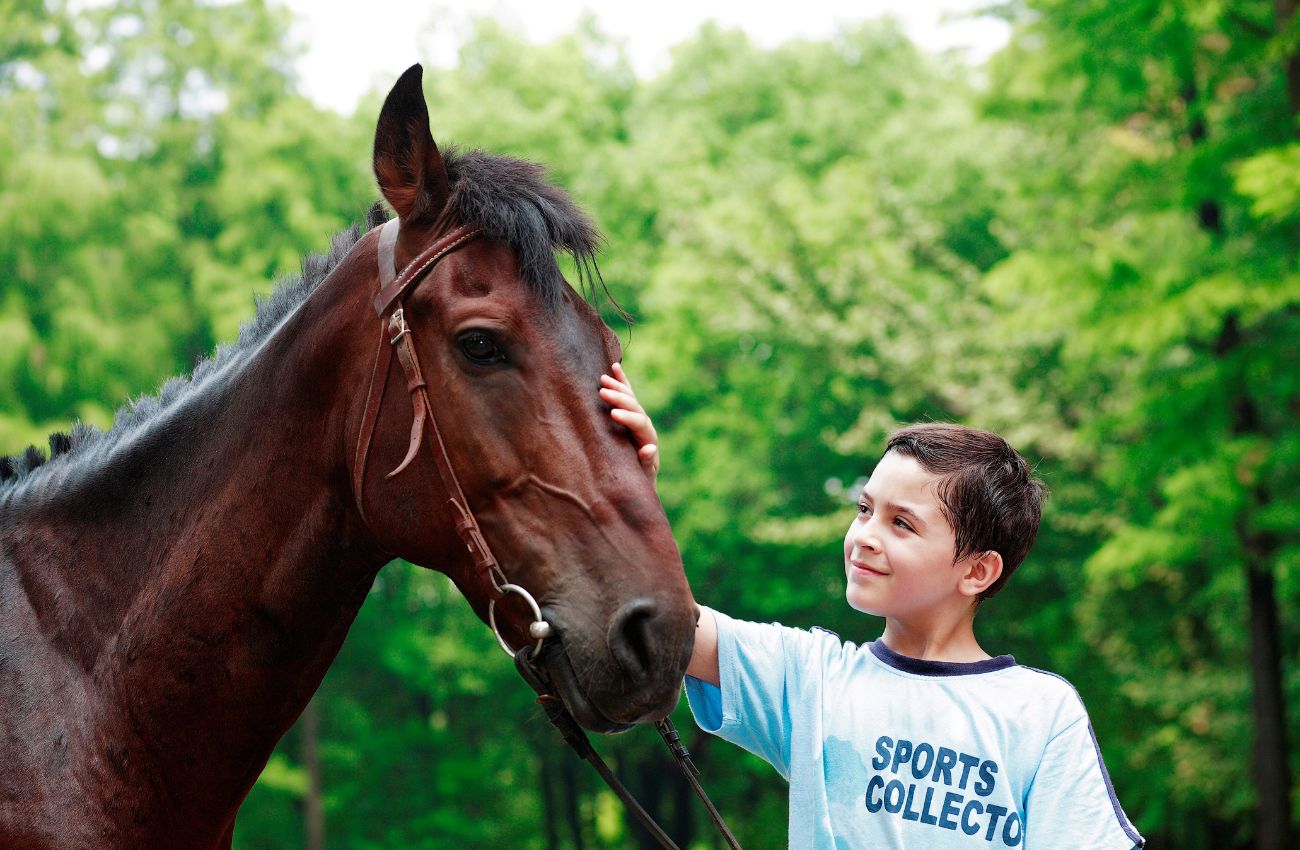
Horses have a special way of helping us feel calm, confident, and connected. Equine-assisted therapy has become increasingly popular as a form of holistic health and wellness care. Families are turning to these gentle giants to support children’s physical health, emotional growth, and mental well-being.
The Philadelphia area has several facilities offering equine-assisted services to children and adults. These programs use the natural bond between humans and horses, trained professionals, and structured activities to support a child’s total well-being.
What Is Equine-Assisted Therapy?
Equine-assisted therapy uses interactions with horses, such as riding, grooming, or leading, to help people with mental, emotional, or physical challenges.
As naturally perceptive animals, horses respond to body language and often mirror human emotions, providing immediate feedback on a person’s fear, anxiety, or frustration.
Some equine-assisted programs are clinical and led by licensed therapists, while others are therapeutic activities guided by trained equine professionals. Both can be helpful, depending on a child’s needs.
People who often benefit from equine-assisted services include:
- Children and teens
- Adults with physical or developmental disabilities
- Individuals with anxiety or emotional challenges
- Trauma survivors
- Veterans and first responders
- People who struggle with communication or social skills
Equine-assisted therapy provides a gentle and encouraging way to support growth without feeling like traditional therapy.
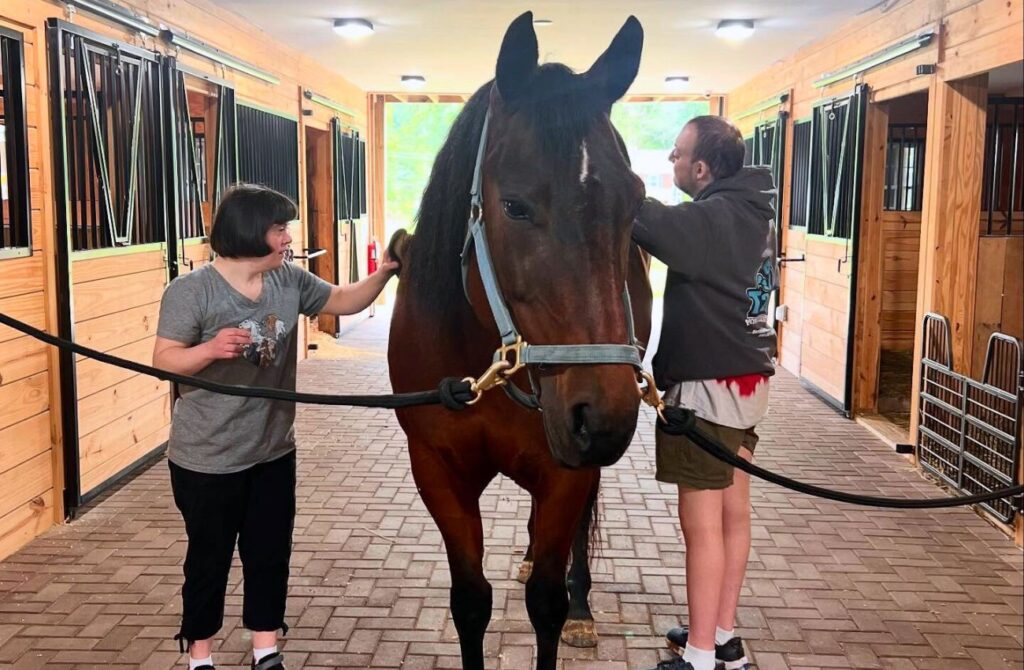
How Equine-Assisted Therapy Works
Horses are fantastic therapy partners because they are sensitive and responsive. They notice body language, tone of voice, and emotions. This helps people become more aware of their own feelings and behaviors.
A core part of equine-assisted therapy is the human–horse connection. Horses never judge. Instead, they respond honestly and calmly, which helps children feel safe, accepted, and understood.
Standard parts of equine-assisted services include:
- Relationship-Building: Learning trust and teamwork with the horse
- Nonverbal Communication: Using posture, movement, and calm energy
- Emotional Regulation: Practicing patience, focus, and self-control
A typical session often begins with a safety talk. Children learn how to approach and interact with horses properly. Then, they may groom, lead, or ride a horse, depending on the program. Trained professionals oversee all activities.
Types of Equine-Assisted Therapy
Ground-Based Equine-Assisted Activities
Ground-based equine-assisted programs take place beside the horse, not on its back. Children may groom the horse, lead it, or practice bonding exercises.
These activities help children build:
- Emotional awareness
- Confidence
- Social and communication skills
- Stress management skills
Ground-based equine therapy is often used in mental health settings. Sessions may be led by licensed counselors, social workers, or psychologists working alongside equine specialists.
This option can be a good fit for children who are nervous about riding or who benefit most from emotional and social support.
Hippotherapy
Hippotherapy is a medical treatment provided by licensed physical, occupational, or speech therapists. In these sessions, the therapist uses the horse’s natural movement as part of treatment.
The horse’s movements help improve:
- Core strength
- Balance and posture
- Coordination
- Sensory processing
Hippotherapy is often used for children with:
- Cerebral palsy
- Autism spectrum disorder
- Developmental delays
- Mobility or balance challenges
These programs are goal-driven and focused on clinical outcomes.
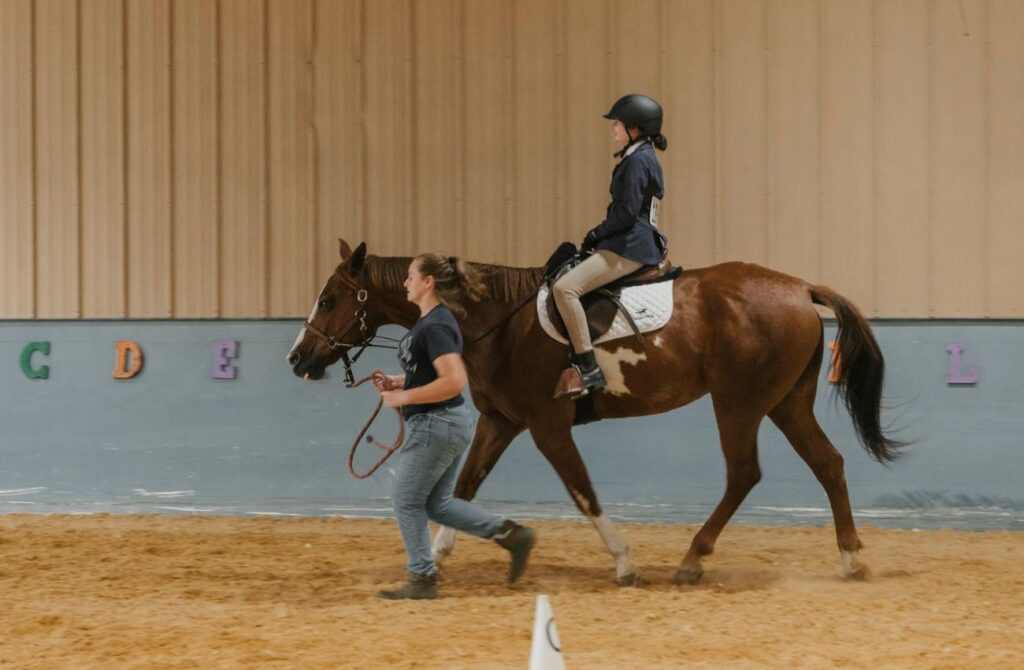
Physical, Emotional, and Mental Health Benefits
Equine-assisted therapy supports the whole child, body, mind, and emotions.
Physical Benefits
Working with horses can help children improve their physical skills in an enjoyable and motivating way. Benefits may include:
- Better balance and posture
- Increased muscle strength and tone
- Improved coordination and motor skills
For many kids, physical therapy on a horse feels more like play than work.
Emotional Benefits
Spending time with horses often boosts confidence. Horses are large animals, and working with them helps children feel capable and proud.
Emotional benefits include:
- Increased self-esteem
- Reduced stress and anxiety
- A sense of calm and connection
The steady presence of a horse can be especially soothing for kids who are easily overwhelmed or overstimulated.
Mental Health Benefits
Equine-assisted therapy can also support mental and emotional health. Children practice staying present, following directions, and managing feelings.
Mental health benefits may include:
- Improved focus and attention
- Better emotional regulation
- Support in trauma recovery
- Building trust and healthy relationships
Some children may open up more easily during equine sessions than in traditional office settings.
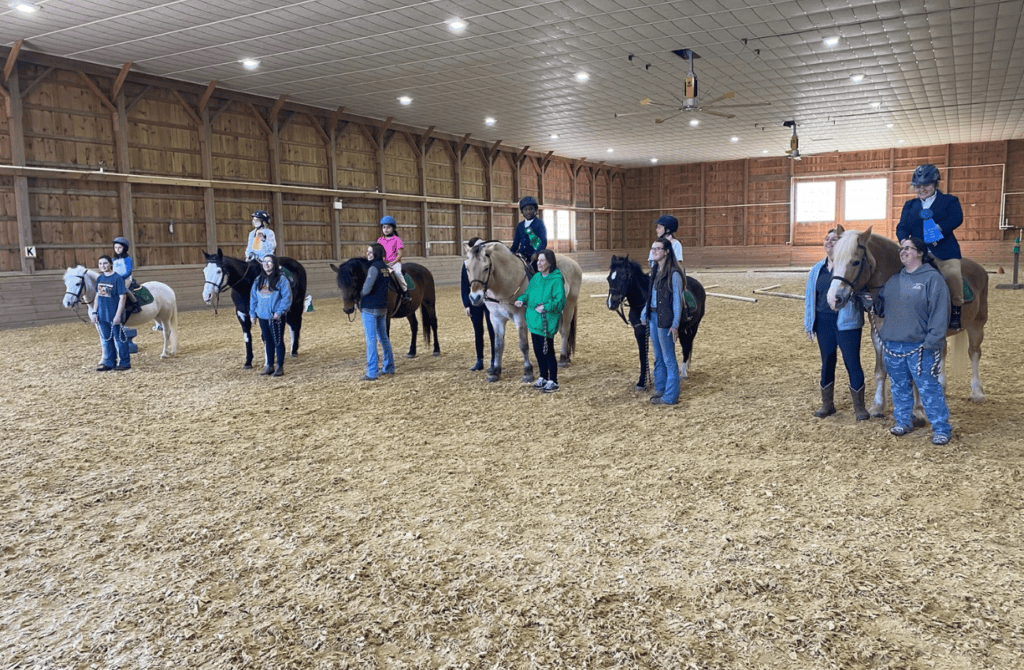
Where to Find Equine-Assisted Therapy in the Philadelphia Area
The Philadelphia region is home to several well-respected equine-assisted therapy centers.
Pegasus Therapeutic Riding Academy
8297 Bustleton Avenue, Philadelphia, PA 19152
Pegasus Therapeutic Riding Academy is dedicated to providing therapeutic horseback riding programs and equine-assisted services for children and adults with disabilities and diagnoses, as well as those in at-risk populations.
Their mission focuses on building physical strength, confidence, and independence.
Programs and services include:
- PEACE Autism Program
- Equine Facilitated Learning
- Stepping Forward Riding Program for First Responders
Pegasus works with children, teens, and adults in a supportive and inclusive environment.
Helping Friendly Farm
3240 Creamery Road New Hope, PA 18938
Helping Friendly Farm is a one-of-a-kind, award-winning therapeutic farm in Bucks County dedicated to enhancing the lives of individuals with disabilities and their families through the power of animals, nature, and safe sensory exploration.
The farm features a sensory barn where families play together, plus bottle-fed goats, miniature donkeys, potbellied pigs, and chickens raised to be gentle companions. Visitors can also enjoy therapeutic gardening with certified organic plants.
Sessions are $30 per person for 2 hours and include access to the sensory barn, animals, and gardens. By appointment only.
Ivy Hill Therapeutic Equestrian Center
1811 Mill Road, Perkasie, PA 18944
Ivy Hill is where horses and love equal hope. Founded in 1998, this community-based 501(c)(3) nonprofit offers therapeutic riding programs and serves over 200 individuals per week. Lessons are either 30 or 50 minutes and can be scheduled weekly or bi-weekly. Financial assistance is available to qualified applicants.
Special Equestrians
2800 Street Road, P.O. Box 1001, Warrington, PA
Special Equestrians harnesses the healing power of horses to transform the lives of people of all ages and backgrounds. They provide numerous equine-assisted services for individuals with cognitive, emotional, physical, or traumatic stress disabilities.
Lessons can be mounted or unmounted, and programs include:
- Therapeutic riding
- Occupational riding
- Silver Saddles for people 55+ with age-related disabilities
- Mental health programs
Thorncroft Equestrian Center
190 Line Road, Malvern, PA 19355
Thorncroft Equestrian Center is known for its welcoming and inclusive community. The center serves people of all abilities through a wide range of equine-assisted services.
Programs and clinics offered include:
- Therapeutic riding
- Veterans programs
- First responders programs
Thorncroft emphasizes safety, respect, and personal growth for every participant.
How to Get Started
The first equine therapy session usually begins with an intake or evaluation. Families share their goals and concerns, and staff recommend the best program.
During early sessions, children learn safety rules and get comfortable around the horses. Progress happens at each child’s pace.
To decide if equine therapy is a good fit, families should consider:
- Their child’s comfort with animals
- Therapy goals
- Schedule and transportation needs
Talking with healthcare providers can also help guide the decision.
The Equine Advantage
Equine-assisted therapy can benefit physical movement, emotional support, and mental growth. For children and families, it can be a joyful and meaningful way to build skills and boost confidence.
Lead photo courtesy of Canva.