Your Child Thrived All Summer. Now School Has Started. Sanare Has Answers for Philadelphia Families.
When back-to-school brings back anxiety, avoidance, and exhaustion, it’s easy to assume you’re starting over. Sanare explains why that shift is often telling you something more useful than that.
Sanare serves Philadelphia families through their Philadelphia location and in virtual sessions with families throughout the city and surrounding area. Every fall, their clinicians see the same pattern play out: a child who seemed like a different kid all summer starts struggling again when school begins. Stomachaches, irritability, avoidance — and parents wondering what happened to the child they had in July.
The Pattern Philadelphia Families Know Too Well
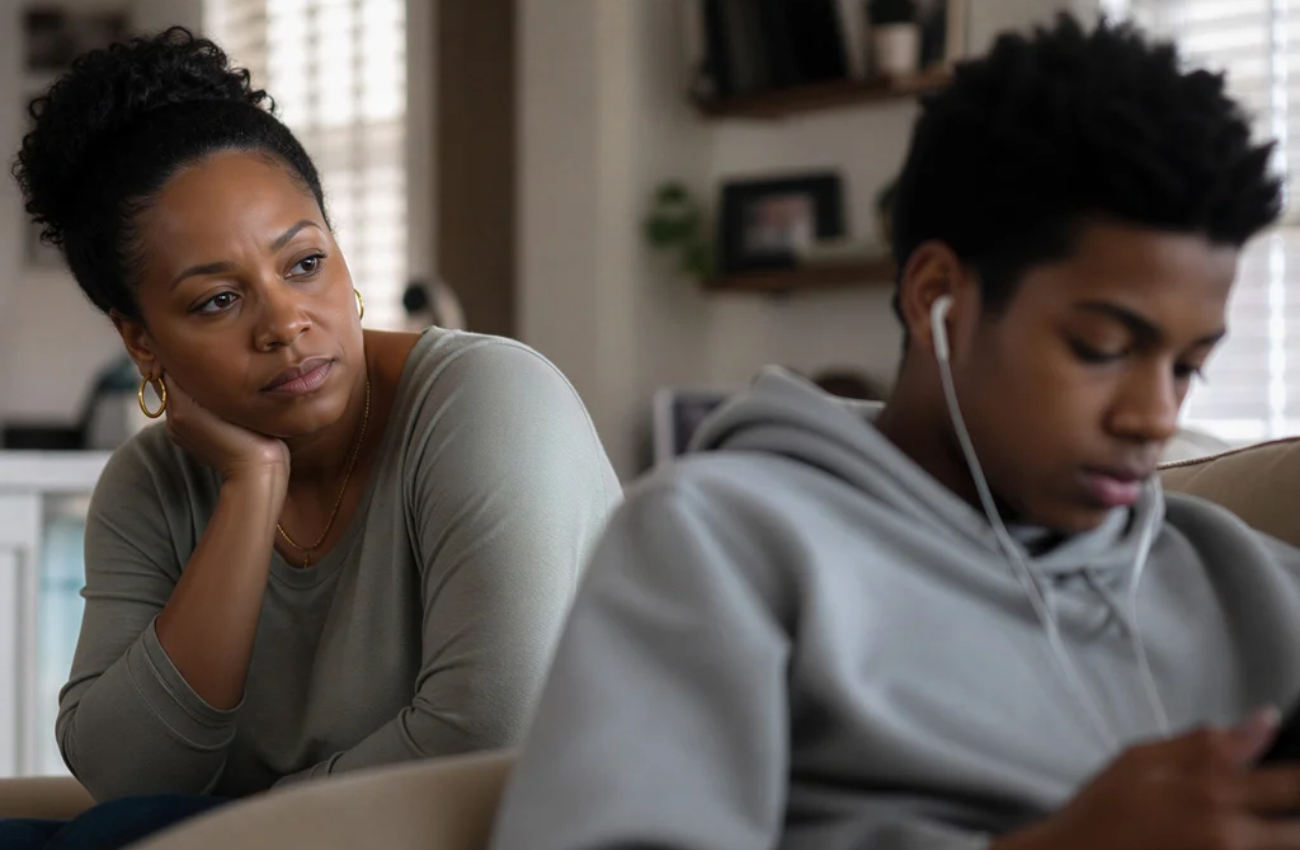
A good summer can make September feel like a betrayal. The child who seemed relaxed, rested, and easier to reach is suddenly shutting down after school, picking fights over nothing, or finding reasons to stay home. Parents who were starting to exhale find themselves holding their breath again.
But that shift doesn’t mean the progress wasn’t real. It’s a window into what school asks of a child that summer let them put down — and what they may still need help carrying.
Common Misunderstandings About the September Slide
Philadelphia families navigating a difficult September often find themselves reasoning their way into a corner. They may entertain thoughts that seem completely reasonable but lead away from what a child actually needs.
If they were fine all summer, the problem went away.
Summer lifts the weight of school off a child’s shoulders — the early mornings, the academic pressure, the social navigation, the sustained effort of keeping it together all day. September puts it all back. A return of symptoms isn’t a setback; it’s a sign that those demands are still worth working on.
They just need a few weeks to adjust.
Sometimes. But frequent physical complaints, school avoidance, significant changes in sleep or appetite, and withdrawal from friends are patterns worth addressing, not waiting it out.
The teacher says they’re doing great, so this must be a behavior problem at home.
Both can be true. Some children spend enormous energy holding it together at school. By the time they reach home, they have very little left.
If they need help again, all the progress we made is gone.
Skills don’t disappear. A child who made real progress still has it. What’s changed is the level of difficulty — and sometimes that just means the support needs to grow alongside the challenge.
“The most rewarding part of this program was seeing my daughter’s enthusiasm and growth as she learned skills to manage the anxiety that had affected her academics, social interactions, and confidence. She proudly shared “before and after” examples of how she would handle situations differently, showing the progress she made. It is not easy to find effective solutions for childhood anxiety, which makes this experience especially meaningful. I am deeply impressed by the team’s care, expertise, and dedication. Their support has made a lasting impact on both my daughter’s life and my own.”
– Stephanie M.

The Signs That Point Toward Structured Care
There’s no single threshold that tells a family it’s time to seek help. But when a child’s struggles are consistently affecting their ability to function — at school, with friends, or at home — the level of support may need to increase. Sanare’s Intensive Outpatient and Partial Hospitalization programs are designed for exactly that moment. Families can explore what each involves on the programs page or get common questions answered on the FAQs page.
“Sometimes we get really good at operating at 10% battery. We conserve energy, shut things down, and find ways to keep going. But getting by isn’t the same as living fully charged. Seeking support means giving ourselves the space to reconnect, build resilience, and create more fulfilling days, not just for the start of the school year, but for the life beyond it.”
Kate Racine, LPC, NCC
Director of Product Operations
September Is a Beginning, Not a Verdict
Every child who walks through a hard September is carrying more than most people see. Sanare’s Philadelphia team meets them and their families exactly where they are, with in-person care in Philadelphia and virtual support available throughout Pennsylvania. Most major insurance plans are accepted; visit the insurance page for details or get started at sanaretoday.com.
This Sanare story is featured in the Back to School Guide.
Sanare’s story supports the Philadelphia Family Community. Collaborate with us.