From Research to Practice: How AIM Academy Transforms Literacy for Every Child
At AIM Academy, research doesn’t sit on a shelf—it comes alive in classrooms every day, shaping how students learn and thrive.

A School Where Research Comes Alive in Conshohocken
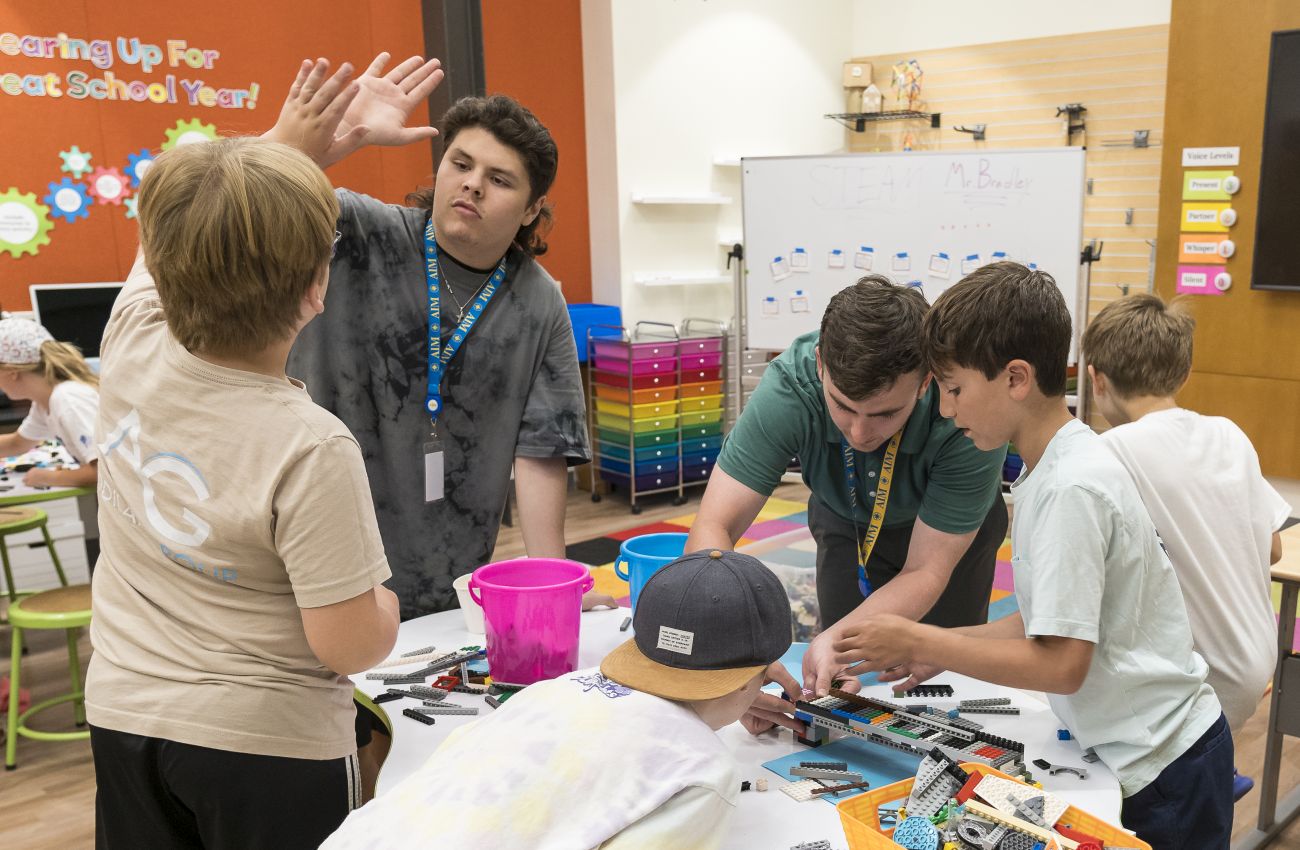
For Philadelphia-area families navigating dyslexia and learning differences, finding a school that combines cutting-edge research with real classroom results used to feel impossible—until AIM Academy (AIM). When parents first visit AIM, they often sense something different. They see a school buzzing with energy—students heading to soccer practice, the pep band practicing, or building and testing robots. They notice the wide range of opportunities that allow children to thrive not just academically, but socially and creatively, through athletics, the arts, and extracurricular activities.
At the same time, families feel the reassurance of a community that understands the unique challenges and strengths of students with dyslexia and other learning differences. It’s this combination—a full, vibrant school experience paired with nationally recognized expertise in literacy and research-to-practice—that makes AIM stand out.
For 20 years, AIM has partnered with some of the nation’s most respected universities and literacy researchers to ensure that its students benefit from the very latest science of reading. These collaborations are not abstract—they shape the lessons students experience each day.
As AIM Research Advisory Board member Dr. Don Compton, former director of the Florida Center for Reading Research, explains: “What makes AIM unique is their willingness to open their classrooms and their commitment to making sure research findings actually impact student learning—not just in theory, but in practice.”
A Longstanding Tradition of Partnership
AIM’s role in advancing literacy research stretches back nearly two decades. Past collaborations have included a pioneering study with Haskins Laboratories at Yale Child Study Center in AIM’s on-campus EEG lab, where students and scientists worked together to understand how the brain processes language.
Over the years, AIM has forged research partnerships with institutions including the Florida Center for Reading Research, Haskins Global Literacy Hub, University of Connecticut Stanford University, and Middle Tennessee State University.
These collaborations seek to bring the best of literacy science into classrooms to improve learning and to engage schools directly in the research process.
As AIM faculty member Aviva Coyne-Green explains, “AIM’s research-to-practice mission is the foundation of the work we do. Our faculty work side-by-side with researchers to design projects that can operate sustainably in real classrooms. This collaboration allows us to learn together what works, how it works, and for whom. The result is better instruction for our students and stronger contributions to the field of literacy research.”
Word Flight: Turning Science into Strategy for Learning to Read

One of AIM’s most recent research projects demonstrates this philosophy in action. During the 2024–25 school year, AIM collaborated with Research Advisory Board member Dr. Timothy Odegard of Middle Tennessee State University to study Word Flight, a computer-based reading intervention program designed to strengthen word recognition accuracy and automaticity (the ability to recognize words effortlessly and instantly).
The findings were significant: students in grades 3–8 who used Word Flight, in addition to AIM’s Wilson Reading System® instruction, showed stronger gains in word-level reading and spelling compared to peers who did not. Although oral reading fluency takes longer to develop—a reminder that literacy growth is a gradual process—the program offered meaningful benefits for AIM’s learners.
For families, this study reinforced something essential: at AIM, new tools aren’t just adopted because they are available—they are studied, tested, and applied carefully to ensure they truly help students grow. AIM’s commitment to its Integrated Literacy Model and to measuring student outcomes has shown that AIM students exceed national fluency norms, outpacing not just peers with learning differences, but all students nationally.
Writing the Next Chapter to Support Learning Differences
This year, AIM has taken on another frontier in literacy research: writing. AIM is working with Dr. Adrea Truckenmiller of Michigan State University on the Writing Architect, a groundbreaking assessment tool that moves beyond subjective rubrics to provide precise insights into student writing.
The tool breaks writing into seven measurable areas of development, offering teachers real-time guidance on where students need targeted support. For AIM students in grades 1–9, this means writing instruction that is not just personalized but also grounded in rigorous research. It also means that AIM families can feel confident their children are learning writing in a way that both supports immediate progress and contributes to broader breakthroughs in literacy education nationwide.
As Tina Zampitella, AIM’s Director of Curriculum and Instruction, shares: “At AIM, we believe it’s vital to actively participate in literacy research so our students with learning differences are represented and supported with the most effective, evidence-based strategies. By bringing research into our classrooms, our teachers can immediately apply and refine best practices to help students thrive.”
This research-to-practice approach extends throughout a student’s entire journey at AIM—from early literacy intervention through high school and beyond. AIM’s Upper School emphasizes college readiness, preparing students with learning differences not just to succeed academically, but to advocate for themselves and thrive in higher education.”
Nationally, only 30 to 35 percent of students with learning differences complete college. At AIM Academy, 71 percent of alumni complete college. That rate not only doubles the outcomes for students with learning differences, it also exceeds the national average of 61.1 percent across all U.S. students.
Why It Matters for Families in the Greater Philadelphia Region

For parents exploring AIM Academy for their child, the research-to-practice focus offers both reassurance and hope. It means that their child’s education is shaped not only by innovative teachers and proven programs, but also by the latest discoveries in literacy science, applied in real time.
This matters deeply for students with dyslexia and other learning differences, who cannot afford to wait for research to filter slowly into schools. At AIM, what is learned in partnership with leading scientists is often applied in classrooms the very next day.
It also means that AIM families are part of something larger: their child’s journey contributes to breakthroughs that help students everywhere. From the EEG lab to the Word Flight study, from writing research to national teacher training, AIM has become a catalyst for shaping how literacy is taught far beyond its own walls.
Boundless Futures Built on Research and Care
Ultimately, AIM’s commitment to research-to-practice is about more than innovation—it’s about ensuring that every child who enters its classrooms has the chance to thrive.
For families, this commitment translates into something deeply personal: confidence that their child will not only learn to read and write, but also gain the skills, strategies, and self-belief to pursue a boundless future.
As one AIM parent reflected after seeing the impact of AIM’s programs: “AIM has given my child back his confidence, his curiosity, and his love of learning. For the first time, I feel like he is truly understood and supported.”
As one AIM parent reflected after seeing the impact of AIM’s programs: ‘AIM has given my child back his confidence, his curiosity, and his love of learning. For the first time, I feel like he is truly understood and supported.’ The Ross family’s story captures this transformation: their son Addison, now a Junior at AIM, went from 90-minute homework battles ending in tears to 20-minute sessions and a genuine love of school—all because AIM’s research-based approach met him exactly where he was.
That potential is what AIM’s research-to-practice work makes possible: a bridge between the best of science and the everyday victories of children learning to unlock language.
Photos courtesy of AIM Academy.
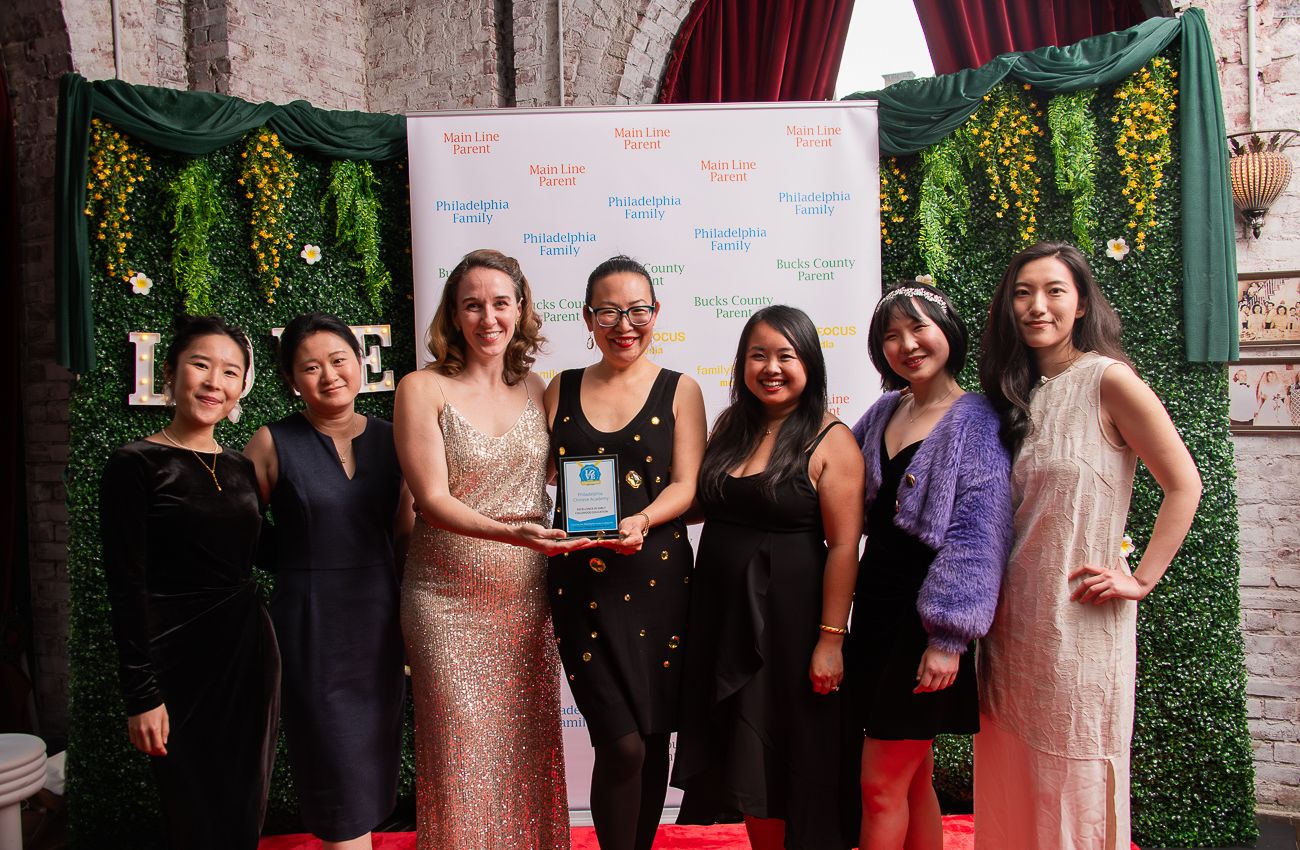
As seen in the Philadelphia Family Fall Education Guide and the Main Line Parent Fall Education Guide.
AIM Academy’s story supports the Philly Family and Main Line Parent Communities. Collaborate with us.