Beyond Report Cards: How Cupola Academy Replaces Grades with Growth
Philadelphia-area families are discovering an alternative to traditional grading that builds confidence and real-world skills.
What if your child’s education focused on authentic learning instead of chasing perfect grades?
For Philadelphia-area families seeking alternatives to high-pressure academic environments, Cupola Academy in Malvern offers a proven approach that’s been working for over 50 years.
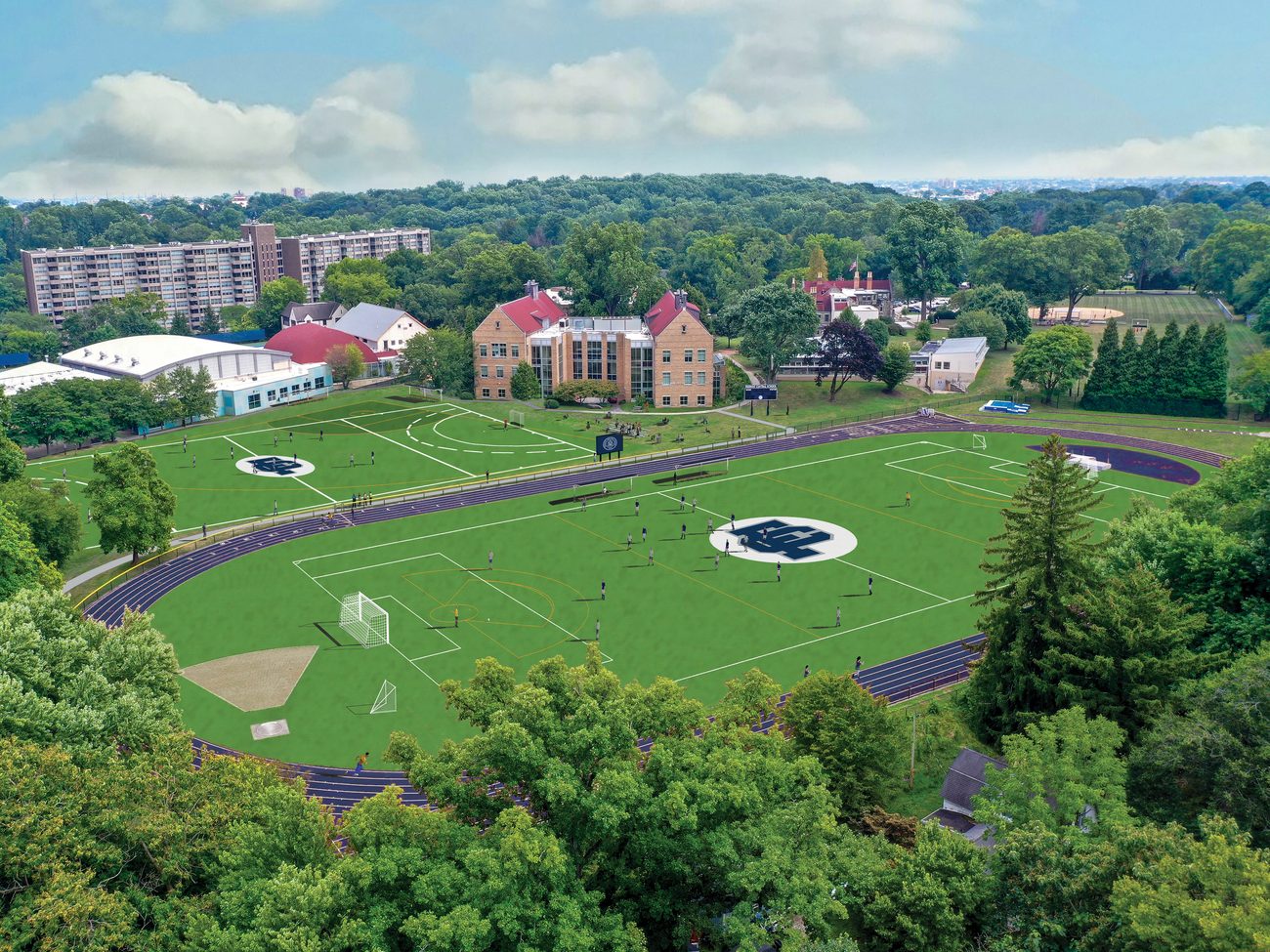
This secular, nonprofit learning community serves ages 4–18 with part-time, in-person programs on 10 acres. But what makes CA truly different isn’t the picturesque campus—it’s their commitment to learning without traditional letter grades.
Why Traditional Grades Fall Short
Traditional grades often measure compliance rather than learning. An “A” or “C+” tells you almost nothing about what a student actually understands or where they need support. These scores end the conversation before it starts.
“A ‘B+’ creates a false sense of clarity,” explains CA co-director Julia Bergson-Shilcock. “But what does that number actually mean? It doesn’t identify strengths or areas for improvement.”
At Cupola Academy, assessment looks completely different.
Three Powerful Alternatives to Letter Grades
Instead of percentages and report cards, CA uses:
Balanced Response: Facilitators share three specific positives, then ask a “How to…” question that frames improvement as an achievable next step.
Descriptive Review: Rich narrative observations noting what a young person has done well and suggesting where they might take their work next.
SMART Goals: Co-created between Facilitators and youth—goals that are measurable, attainable, and relevant to each learner’s personal journey.
This approach transforms assessment into a conversation where young people actively participate rather than passively receive a grade.
Real Work Deserves Real Evaluation
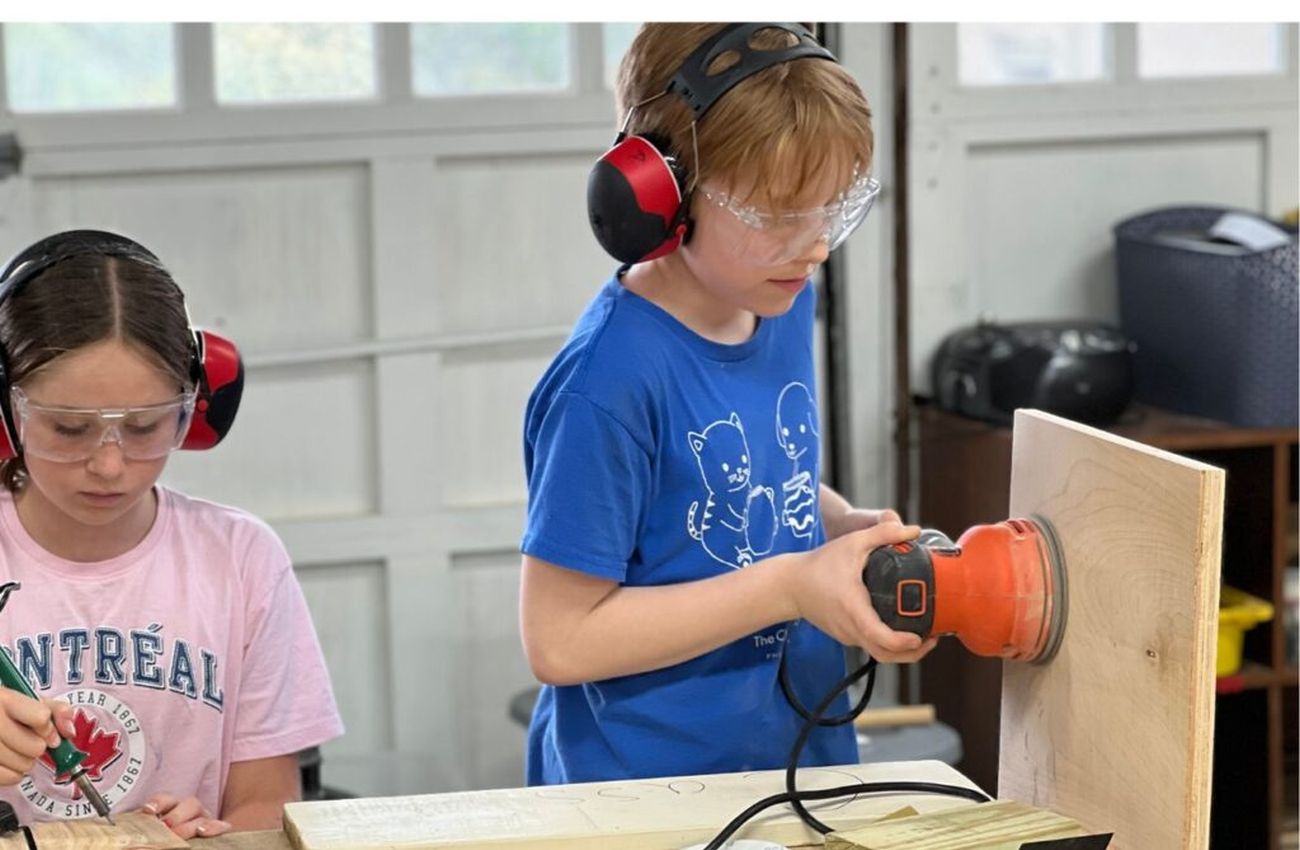
Consider what CA students actually do: one might design a market-ready product in Materials Science, another organizes a fundraiser, while another leads a Model Senate debate.
The quality of authentic work speaks louder than any number could. CA evaluates based on creativity, problem-solving, collaboration, and skill growth—the abilities that serve youth for life.
Building Accountability Without Punishment
Without grades, how do students stay motivated? Through something CA calls “social capital”—the trust and credibility earned through actions.
Meeting deadlines isn’t about avoiding bad grades; it’s about honoring the time and effort of everyone involved. Students learn that their work affects the whole community.
Cupola Academy mom Kellie shares: “My daughter (14) never enjoyed public school, but absolutely loves CA. She’s rushing me out the door when it’s still too early to leave. We appreciate the culture, sense of community, and shared values.”
The Results Are Clear
Families consistently report their children are happier, more engaged, and more confident when assessment focuses on authentic growth rather than arbitrary numbers.
Ready to learn more about how Cupola Academy’s approach works? Read the full story on Main Line Parent, including details on their unique “Process Consciousness” philosophy, student-led projects like the Plastic Renewal Project, and what makes youth thrive in this environment.
To explore whether CA is right for your family, book a free Discovery Call with co-director Julia Bergson-Shilcock.
.
Photos courtesy of Cupola Academy, as seen in the Spring Education Guide.
Cupola Academy’s story supports the Philadelphia Family Community. Collaborate with us.