Free, No-Income-Limit Pre-K Is Already Available in Many Philadelphia Neighborhoods
Free, full-day PHLpreK is enrolling now at four Philadelphia YMCA locations — no income limit, no employment requirement, just a 3- or 4-year-old and a Philadelphia address.
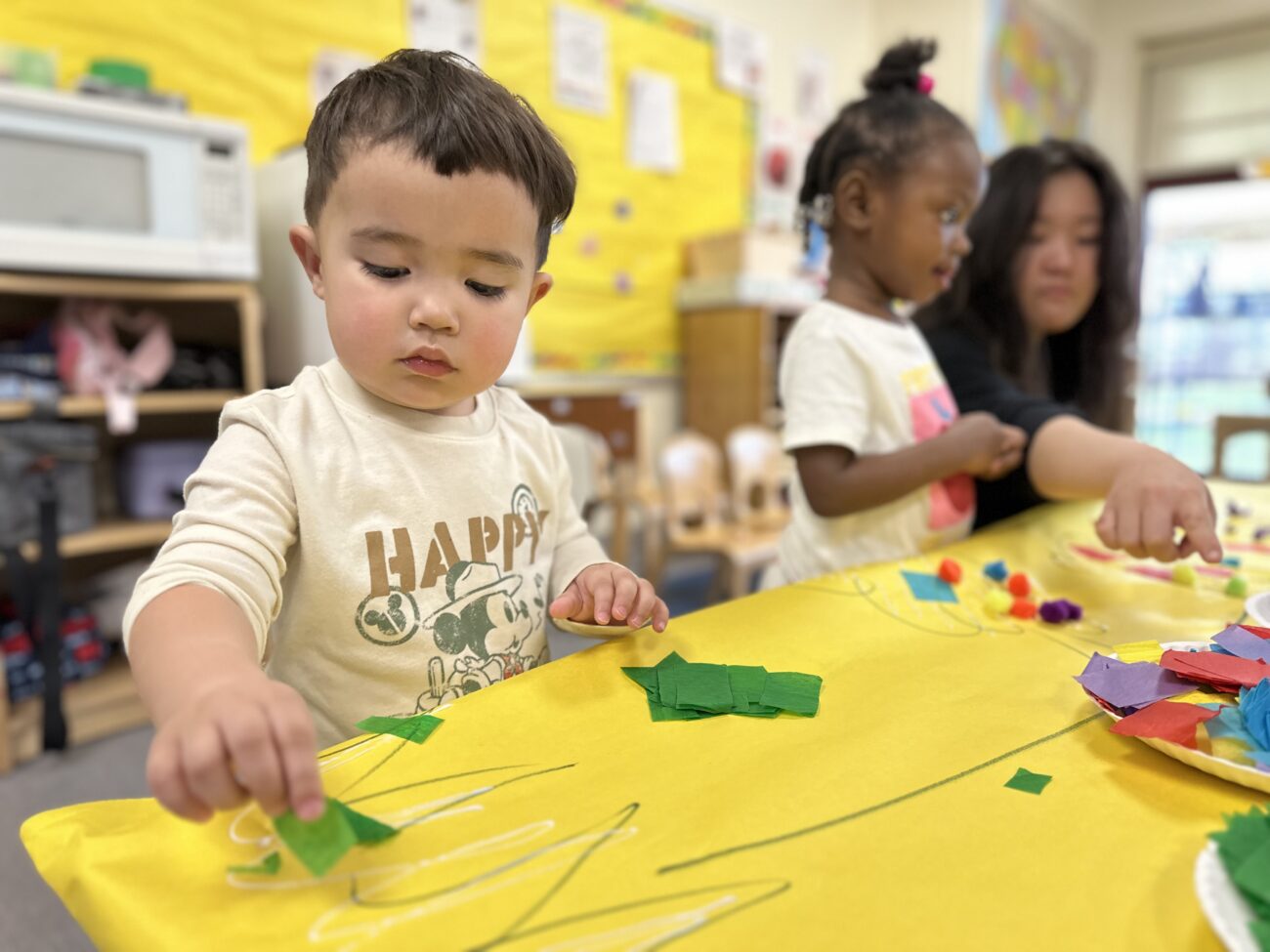
Parents want their child to have it all: a classroom full of curious new friends, teachers who notice when a child is having a hard day, and a schedule that fits a busy household. Most families assume that combination comes with a catch — an income cutoff that quietly excludes them, a waitlist that never moves, or a program that feels like an afterthought next to what tuition buys elsewhere. At the Greater Philadelphia YMCA‘s Christian Street, Columbia North, Northeast Family, and Roxborough locations, that assumption doesn’t hold up.
Through the City of Philadelphia’s PHLpreK program, full-day, no-cost preschool is open right now to any Philadelphia 3- or 4-year-old. No income limit. No employment requirement. Just an address inside city limits.
The Only Requirement: Living in Philadelphia
PHLpreK is built differently than most funded preschool programs. Consider what it doesn’t ask of families:
- No income cap. Whether a household earns $30,000 or $230,000, the child qualifies.
- No employment requirement. Whether parents work full-time, part-time, or not at all doesn’t factor into eligibility.
- No cost to the family, full stop. Tuition, materials, and meals are covered.
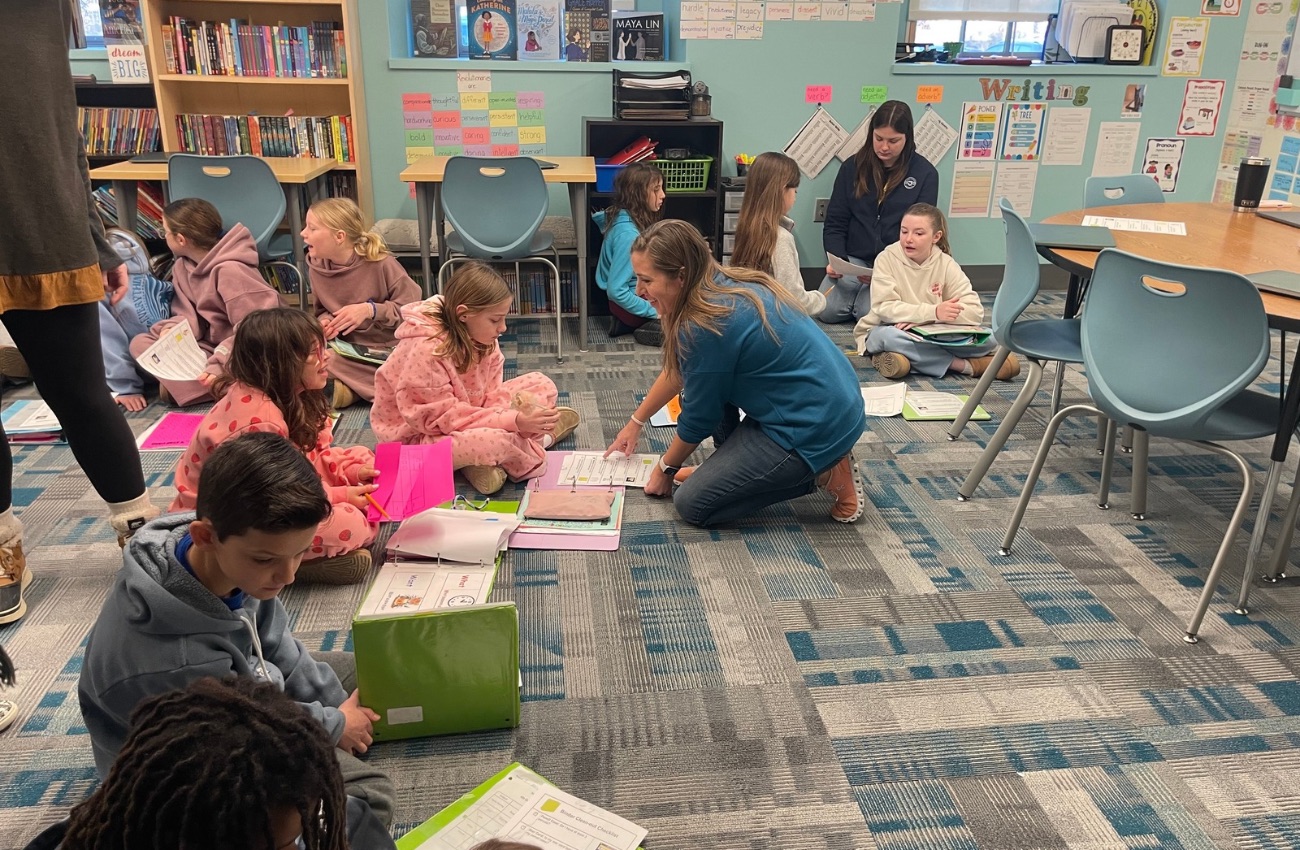
The only real qualifier is residency: a 3- or 4-year-old living in Philadelphia County. At Christian Street, Columbia North, Northeast Family, and Roxborough YMCA, seats are open now. Every classroom runs on the same Creative Curriculum for Preschool used across the Y’s private early learning programs. Additionally, you’ll find skilled teachers guiding each child’s language development, motor skills, and social growth through structured, hands-on play.
Four Neighborhoods, One Standard

Christian Street, Columbia North, Northeast Family, and Roxborough each serve different corners of the city, but PHLpreK holds every classroom to the same standard. Enrollment coordinators at each site can walk families through required documents — typically just proof of the child’s age and a Philadelphia address — and help them find which classroom times and locations work best for their household’s schedule. Families are welcome to tour any of the four sites before enrolling, and staff can help compare options if more than one location is convenient.
Why So Many Families Never Apply
Part of the reason is simple: the word “free” makes people suspicious, especially in neighborhoods where other assistance programs come loaded with paperwork and disqualifying fine print. PHLpreK doesn’t work that way. Families don’t need to prove hardship, document unemployment, or fall under a strict income line — they just need a Philly address and a 3- or 4-year-old. Parents who tour the Greater Philadelphia YMCA’s PHLpreK locations tend to have the same reaction: relief, followed by the same question: “Why didn’t anyone tell me about this sooner?”
What Quality Pre-K Actually Does for Children
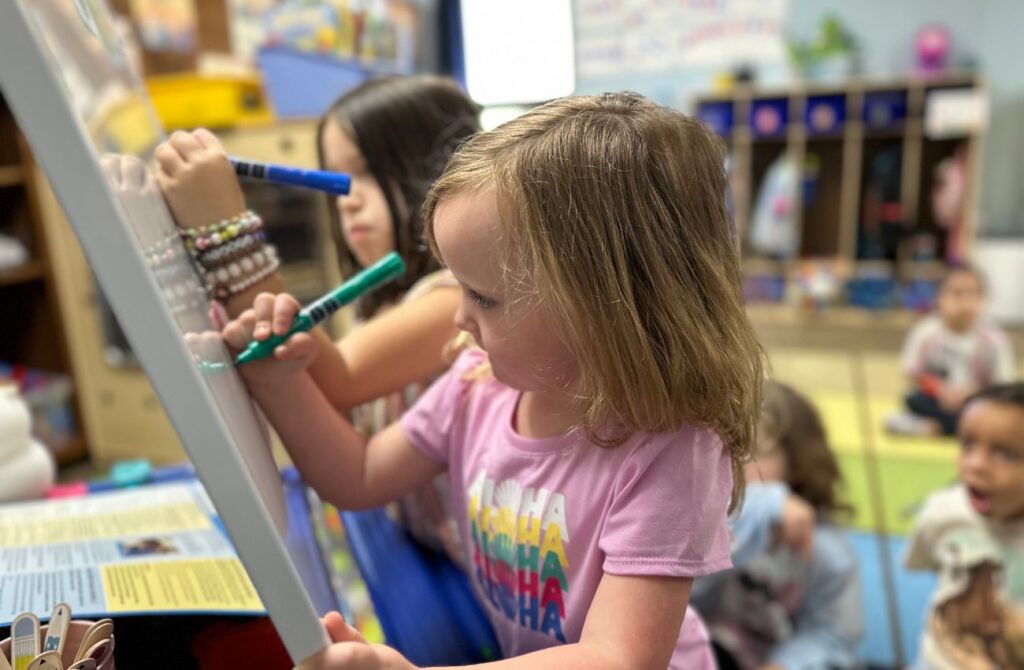
It’s easy to think of preschool as simple childcare, but a strong program does quite a bit more than that. Research on high-quality early education points to real gains in social and emotional development.
Children learn cooperation, problem-solving, and emotional regulation earlier, and they get practice navigating group settings and building the kind of early friendships that carry them into kindergarten with confidence.
Academically, children who attend quality pre-K tend to show stronger literacy and math foundations that persist well into middle school. It provides the kind of head start every parent wants for their child.
What It Means for Philadelphia Families
The financial benefit is real. Full-day child care in Philadelphia routinely costs as much as a semester of community college. For many families, it’s their single biggest expense after rent. A funded seat removes that burden, freeing up thousands of dollars a year, while also giving families a full school-day schedule they can build a routine around.
The return extends past any one family’s budget, too. Economists studying early education consistently find that every dollar invested in high-quality pre-K generates an estimated four to nine dollars in long-term economic benefit. This is largely through reduced special education costs later and higher lifetime earnings for the children involved. In a city that’s spent years working to close opportunity gaps, that’s no small number.
How to Apply for PHLpreK
Registration is open now at Christian Street, Columbia North, Northeast Family, and Roxborough. The Y’s State Access Pre-K page covers all of the Y’s funded preschool partnerships. The PHLpreK program page features the specific eligibility details, required documents, and application steps for interested families. Families weighing other options nearby can also search the Y’s child care finder, and the Y’s child care team is available to answer questions.
For a program with few strings attached, the biggest barrier usually isn’t eligibility. It’s simply not knowing the option exists. Now Philadelphia families know.
Photos courtesy of the Greater Philadelphia YMCA, as seen in the Early Childhood Education Guide.
This story supports the Philly Family Community. Collaborate with us.